Watercolor Rainbow Clipart: A Practical Guide for Designers and Creators
In the landscape of digital design, the quality of your foundational assets often dictates the professional finish of your final product. Watercolor Rainbow Clipart represents more than just a decorative element; it is a versatile tool that bridges the gap between raw creativity and polished execution. For professionals ranging from graphic designers to small business owners, integrating high-quality hand-painted elements into a workflow can significantly reduce production time while elevating the aesthetic appeal of posters, greeting cards, blogs, and marketing materials. This guide explores how to effectively source, integrate, and utilize these specific digital assets within real-world creative processes.
Understanding the Asset: Quality and Specifications
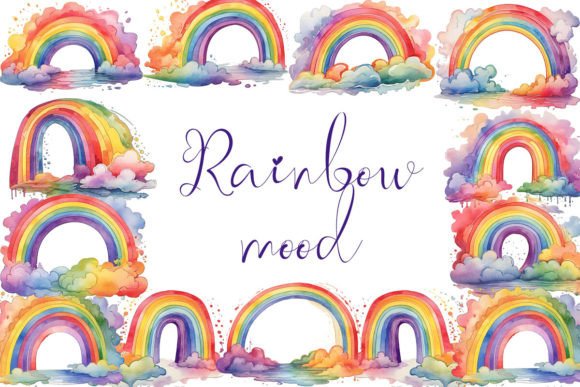
Before incorporating any graphic element into a project, it is essential to understand its technical specifications and limitations. The set of Watercolor Rainbow Clipart described here consists of ten high-resolution files, each rendered in RGB PNG format with a resolution of 300 DPI at approximately 10x10 inches. These specifications are critical for determining where and how the asset fits into your broader design strategy.
The 300 DPI (dots per inch) standard is the industry benchmark for print media. This ensures that when you scale these rainbows or clouds for large-format posters or high-quality wedding invitations, the image remains crisp without pixelation. Unlike lower-resolution web graphics, these files maintain their integrity when printed on paper, fabric, or other physical surfaces. Furthermore, the PNG format with transparency allows for seamless layering over various backgrounds, making them ideal for complex compositions in tools like Photoshop or Canva Pro.
It is important to note that this is a digital download only. There is no physical product involved, which streamlines the acquisition process. Upon purchase, you receive immediate access to the files, eliminating shipping delays and allowing for instant integration into active projects. This immediacy is particularly valuable for freelancers working under tight deadlines or entrepreneurs launching time-sensitive campaigns.
Integrating Assets into Your Creative Workflow
The value of Watercolor Rainbow Clipart extends beyond simple decoration; it plays a functional role in the planning and execution phases of a design project. Understanding where these assets fit in your timeline can optimize efficiency and consistency across your brand's visual identity.
Pre-Project Planning and Mood Setting
Before opening a graphics editor, many creators engage in a mood-setting phase. The "Rainbow mood" associated with these watercolor elements evokes feelings of optimism, creativity, and softness. When planning a blog series, a children's book, or a wellness brand launch, selecting these specific tones early helps define the color palette and emotional resonance of the entire project. By reviewing the available cloud and rainbow variations during the brainstorming stage, you can make informed decisions about typography, background colors, and layout structures that complement the organic, hand-painted style.
Execution and Layering Techniques
During the actual design phase, the interaction between the clipart and other design elements becomes paramount. Because these files are individual images, they offer flexibility in composition. You might use a single rainbow arc as a subtle border for a planner page or combine multiple cloud elements to create a dynamic sky background for a poster.
When working in software like Procreate or Cricut Design Space, the non-destructive nature of PNG layers allows for experimentation. You can adjust opacity, blend modes, and size without degrading the original file quality. For instance, reducing the opacity of a watercolor rainbow behind text can add depth and texture without compromising readability. This layering capability is essential for creating professional-grade templates that feel cohesive rather than cluttered.
Post-Production and Quality Control
After the design is finalized, the high resolution of the files ensures that the output meets professional standards. Whether exporting for web display or sending a file to a print vendor, the 300 DPI guarantee minimizes the risk of rejection due to low image quality. It also facilitates long-term use; you can archive these designs and return to them months later for reprints or repurposing without needing to recreate the artwork from scratch.
Practical Use Cases Across Industries
The versatility of Watercolor Rainbow Clipart makes it suitable for a wide array of applications. Here is how different professionals can leverage these assets in their specific domains:
- Bloggers and Content Creators: Use these elements to break up text-heavy posts, create featured images, or design social media graphics that stand out in crowded feeds. The organic texture adds a human touch that contrasts well with clean, modern web layouts.
- Event Planners and Stationery Designers: Ideal for wedding invitations, baby shower cards, and birthday announcements. The soft watercolor aesthetic aligns perfectly with romantic and celebratory themes. Since the files are high-resolution, they are perfect for letterpress or foil stamping workflows.
- Small Business Owners: Incorporate rainbows and clouds into packaging labels, tote bags, or promotional flyers. The ability to print on various surfaces means these graphics can transition from digital storefronts to physical merchandise seamlessly.
- Educators and Therapists: Create engaging worksheets, classroom decorations, or calming visual aids. The cheerful yet soothing nature of the rainbow motif supports positive learning environments and therapeutic settings.
- Scrapbookers and Hobbyists: Utilize the files for digital scrapbooking pages or physical prints adhered to memory books. The variety in the set of ten files allows for diverse layouts without repetition.
Technical Compatibility and Software Integration
A common concern for users is whether their current toolkit supports new assets. Fortunately, the PNG format is universally compatible with almost all major graphics editors. This broad compatibility reduces the barrier to entry for users who may not be experts in advanced design software.
Adobe Photoshop and Illustrator: Professionals using Adobe Creative Cloud can import these files directly into their layers panel. The transparency support ensures that the white backgrounds do not interfere with underlying textures or patterns. You can apply adjustment layers, masks, and filters to further customize the look of the watercolor elements.
Canva Pro and Online Editors: For those who prefer browser-based design, uploading these PNGs to Canva is straightforward. Once uploaded, they become part of your brand kit, ready to be dragged and dropped onto templates. This is particularly efficient for marketers managing multiple client accounts or social media calendars.
Cricut Design Space and Silhouette Studio: Crafters using cutting machines can import these images to create vinyl decals or iron-on transfers. The high resolution ensures that the cut lines remain precise, even for intricate details in the cloud formations or rainbow arcs.
Procreate: Digital artists on iPads can use these files as starting points for mixed-media illustrations. By placing the clipart on a separate layer, artists can paint around it, add texture overlays, or blend it with other hand-drawn elements for a unique, custom look.
Optimizing Efficiency and Organization
To maximize the utility of your Watercolor Rainbow Clipart, consider implementing a systematic approach to file management. Since you receive ten distinct files, organizing them by theme, color intensity, or orientation within your local storage or cloud drive will save time during future projects. Naming conventions such as "Rainbow_Arc_Blue" or "Cloud_Fluffy_Small" can streamline the search process when you are under deadline pressure.
Furthermore, establishing a library of pre-approved assets allows for consistent branding. If you decide that the specific hue of blue in one of the rainbows matches your brand guidelines, you can lock that asset into your template system. This ensures that every piece of content produced—whether it is a weekly newsletter or an annual report—maintains a unified visual language.
Efficiency also comes from understanding the limitations of the medium. While these are high-quality digital downloads, they are static images. They cannot be vectorized automatically without potential loss of the watercolor texture. Therefore, plan your scaling needs in advance. If you anticipate needing a rainbow larger than 10x10 inches for a billboard, you may need to assess if the raster quality holds up or if you need to commission a vector version. However, for most standard print and web applications, the provided resolution is more than sufficient.
Long-Term Value and Strategic Implementation
Investing in a set of high-quality clipart is a strategic decision that yields returns over time. Unlike hiring a freelancer for a one-off illustration, purchasing a digital asset pack provides a reusable resource that can be adapted for countless projects. The cost-effectiveness is evident when you consider the hours saved on sourcing, creating, or editing similar imagery from scratch.
As trends evolve, the classic appeal of watercolor art remains timeless. The organic, imperfect nature of hand-painted elements resonates with audiences seeking authenticity in a digitally saturated world. By integrating Watercolor Rainbow Clipart into your workflow, you align your brand with values of creativity, warmth, and approachability.
Ultimately, the success of any design project relies on the harmonious blend of concept, execution, and the right tools. These high-resolution templates serve as a robust foundation, empowering creators to focus on storytelling and strategy rather than getting bogged down in technical hurdles. Whether you are designing a simple greeting card or a complex marketing campaign, having reliable, high-quality assets at your fingertips transforms the creative process from a challenge into an opportunity for innovation.